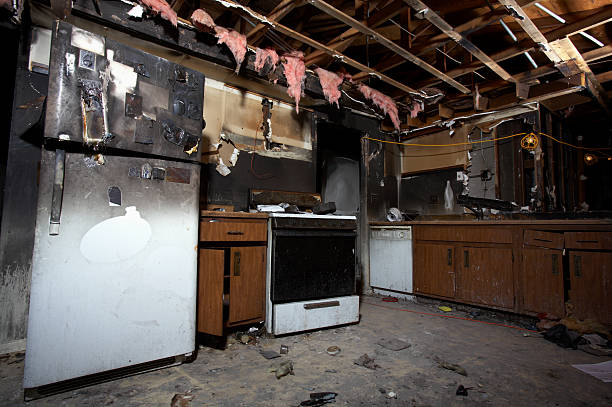
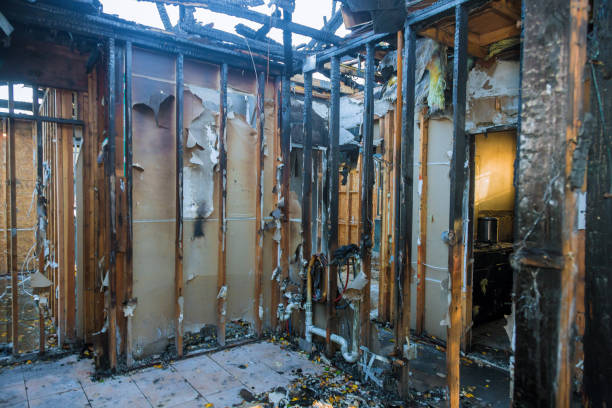
Airborne soot is acidic enough to start pitting metal fixtures within about 48 hours, which is why Soot Cleanup response speed matters as much as the cleaning method.
📞 Call +1-866-484-1409 Now
This avoids the streaking that comes from wiping soot with a cloth.
Porous drywall gets different treatment than glass, tile, or metal.
Soot turns corrosive on metal within about 48 hours — we move quickly.
Standard vacuums push soot particles back into the air — ours don't.

The primary method for lifting soot from drywall and painted trim without smearing.
Vacuuming first prevents particulate from smearing once surfaces get wet.
Different chemistry entirely from what porous drywall needs.
Acidic residue on hardware and fixtures neutralized before pitting sets in.
Ceilings get cleaned first so falling residue doesn't recontaminate clean walls.
Cleaned on the same visit, not a separate appointment.
+1-866-484-1409 reaches a live Cumberland, MD dispatcher immediately.
Mobile units are equipped for both porous and non-porous surfaces.
You approve the scope before any sponge touches a surface.
Cleaning proceeds surface by surface with a final walkthrough.
"We tried wiping the soot down ourselves and just smeared it worse across the wall. Their dabbing technique actually lifted it cleanly." — Homeowner, Cumberland
"Fast response meant our fixtures got treated before corrosion set in." — Homeowner, Cumberland, MD
"The HEPA vacuuming before the wet cleaning made a noticeable difference — our carpets came out cleaner than expected." — Homeowner, Cumberland
Regular cloths spread soot rather than lifting it out.
Ideally within 48 hours, since acidic residue starts pitting metal after that.
Yes, porous and non-porous surfaces respond to completely different agents.
Cleaning reduces odor, but persistent smell may need a separate treatment step.
Yes, HEPA extraction handles soft surfaces before any wet cleaning starts.
We keep response times short across Cumberland because soot corrosion is time-sensitive.